

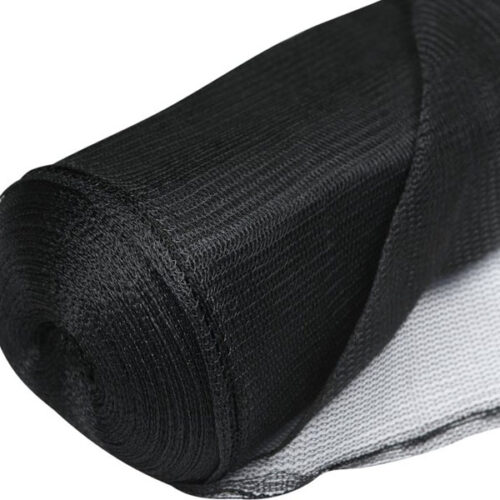
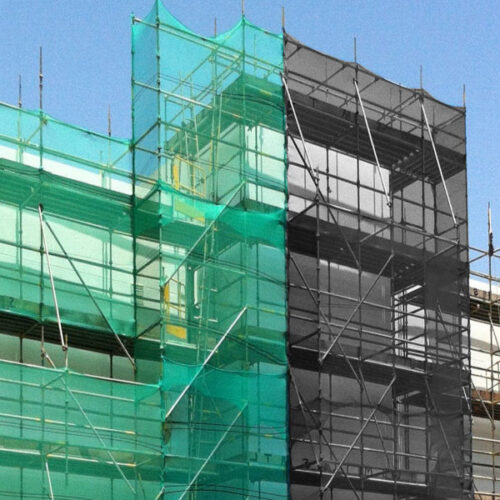
Black Debris Netting – 50gsm UV Stabilised Scaffold Netting
Price range: £ 48.99 through £ 98.99
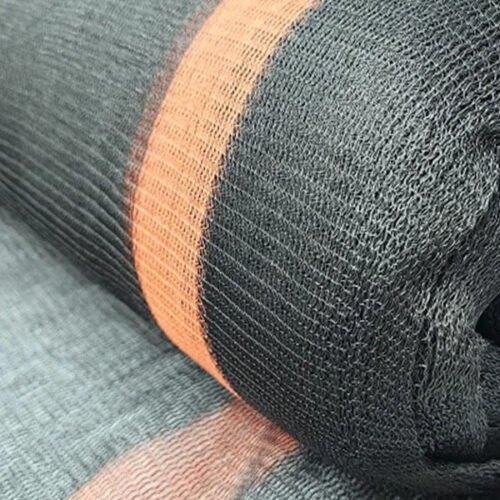
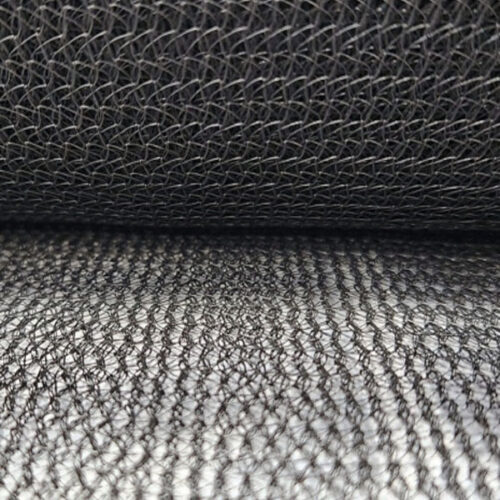
Black Debris Netting – 60gsm Flame Retardant Netting
Price range: £ 110.99 through £ 181.99
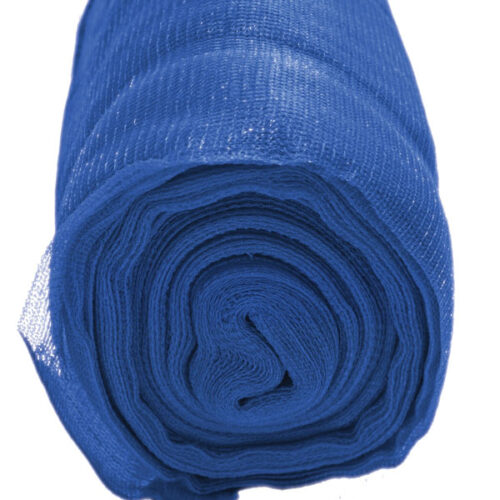
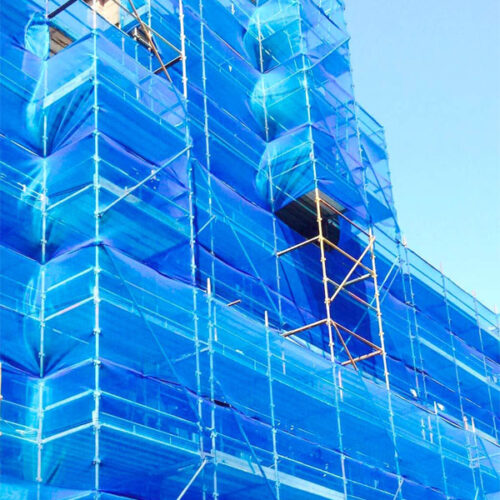
Blue Debris Netting – 50gsm Scaffold Netting
Price range: £ 48.99 through £ 98.99
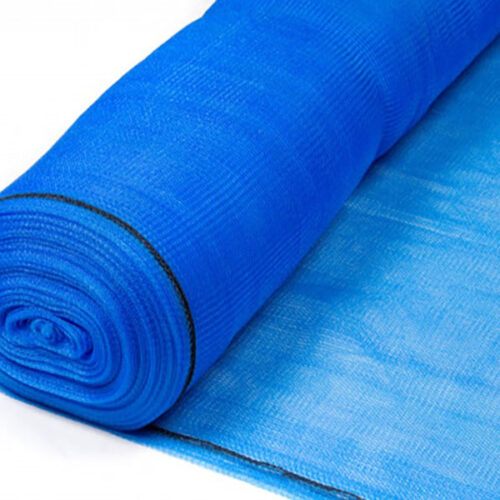
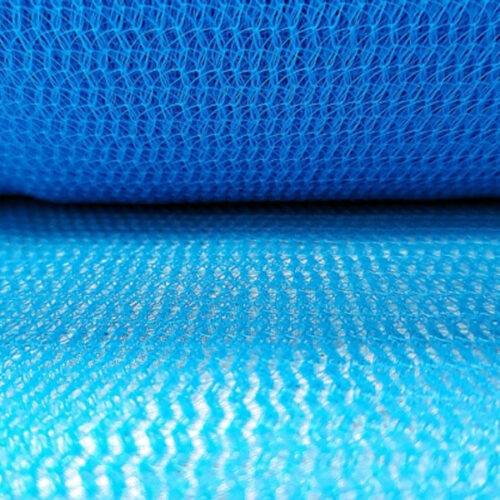
Blue Flame Retardant Debris Netting – 60gsm Safety Netting
Price range: £ 110.99 through £ 181.99
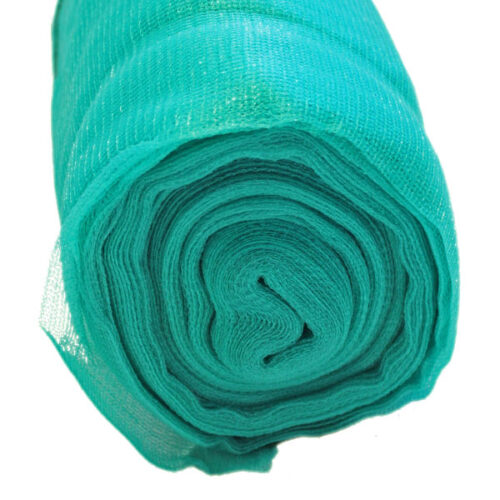
Green Debris Netting – 50gsm UV Stabilised Scaffold Netting
Price range: £ 48.99 through £ 98.99
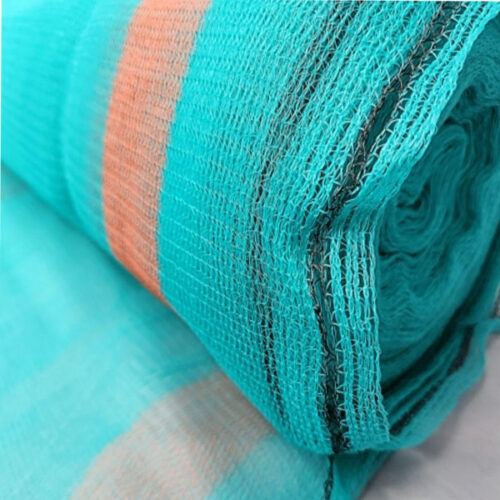
Green Fire Retardant Debris Netting – 60gsm Netting With TS62 Certificate
Price range: £ 110.99 through £ 181.99
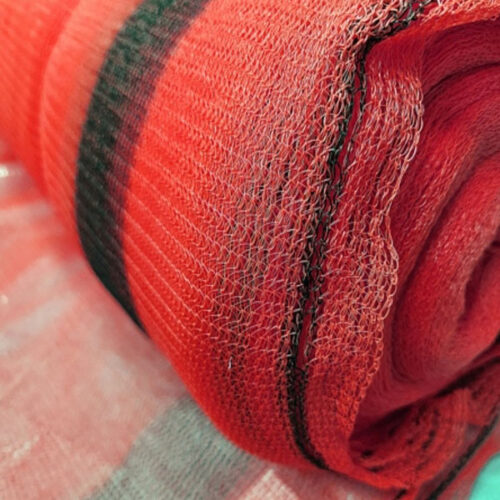
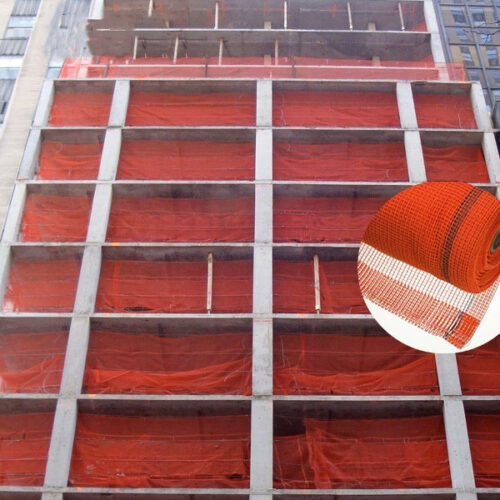
Red Debris Netting – 60gsm Flame Retardant Netting
Price range: £ 110.99 through £ 181.99
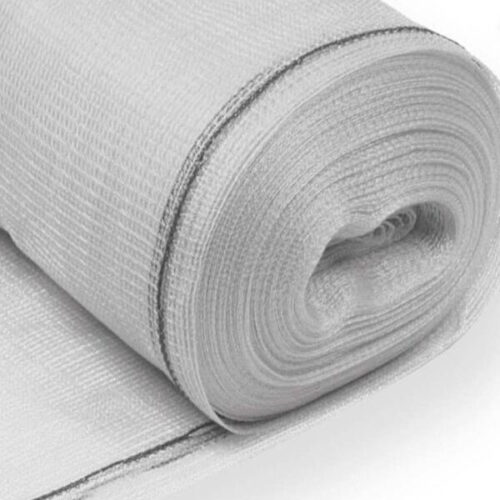
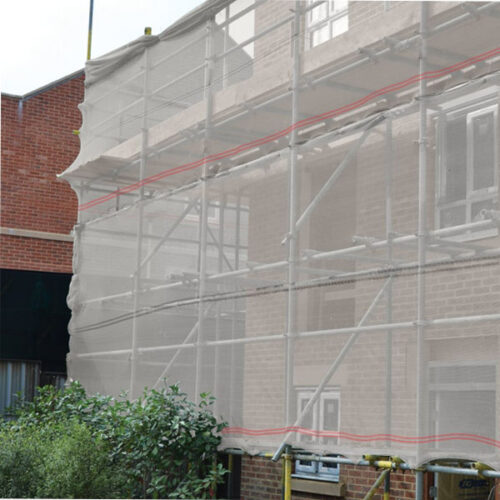
Debris Netting for Safety and Protection
Debris netting keeps the construction area safe. It also prevents damage from falling objects. Scaffold debris netting covers tools and materials. Workers count on it for safety.
Scaffold sheeting adds a layer of protection. Additionally, debris netting prevents dust and other small debris from blowing away. It is used in buildings, houses, and industrial buildings. As a result, it saves time and avoids accidents.
The netting is strong and damp-proof. Wind and weather-resistant scaffold debris netting. At last, workers and the general public remain safer 24/7 thanks to debris netting. It is effective for outdoor projects and construction jobs.
Durable Material in Debris Netting
Debris netting refers to a strong, woven material. As a result, it has high tear strength and heavy impact strength. Polyethylene or nylon are common materials for scaffold sheeting. Scaffold debris netting will last longer than covers.
The material is light but strong. Moreover, it stretches a little to absorb impact without breaking. Debris nets catch tolls, little stones, and dust. Scaffold debris netting is trusted by people for all levels of construction.
Also, scaffold sheeting helps keep the area tidy. Debris netting is simple to manage and install. Employees can quickly attach it to poles or scaffolding. As a result, durable debris netting should save your effort, time, and money.
Easy Installation of Debris Netting
It is easy to install debris netting. Scaffold debris netting can attach with ropes, clips, or hooks. In addition, scaffold sheeting fits a range of scaffold sizes. They can easily stretch it.
Debris netting helps to minimize gap formation and protects the public from falling tools. Plus, scaffold debris netting prevents dust from blowing into the area. Apartments, offices, and outdoor projects for use by people
Installation does not require heavy tools. Thus, debris nets are time-efficient. Employees can reposition and alter it quickly. Wind cannot dislodge the scaffold sheeting. Debris netting will help ensure safety on every project.
Debris Netting for Construction Sites
Construction sites require essential debris netting. Depends on the form of scaffold debris netting for safety. Moreover, it prevents rocks and dust from falling on the workers. Scaffold sheeting shields the area from exposure.
Debris netting makes your work safer. Additionally, it helps to minimize accidents and injuries. Scaffold debris netting is used in high-rise, renovation, and outdoor scaffolds.
The netting boasts both strength and durability. Scaffold sheeting and debris netting are easy to clean. There are safe workplace facilities and reduced project delays. Debris netting is trusted daily by workers.
Lightweight and Flexible Debris Netting
Debris netting is lightweight yet strong. Also, scaffold debris netting can be rolled and moved easily. Scaffold sheeting does not add heavy weight to structures.
The netting adjusts to scaffold shapes. Moreover, debris netting stretches slightly to hold falling materials safely. People use it on small and large projects alike. Scaffold debris netting fits different heights and widths.
Finally, debris netting is easy to handle for workers. Scaffold sheeting is simple to fold and store. Lightweight netting saves effort without reducing safety. Therefore, it works well for long projects every day.
Debris Netting That Resists Weather
Strong enough to withstand rain, sun, and wind The scaffold debris net keeps the material dry. Moreover, scaffold sheeting won’t rip during storms. People utilize debris netting outdoors safely.
The wind doesn’t bring down the netting. In addition, scaffold debris netting stops dust and dirt from flying. It shields and protects workers with its scaffolds.
UV and water-resistant treated debris netting. As a result, scaffold sheeting is more durable outside. The item can be used every season.
Debris Netting for Homes and Gardens
Debris netting is not only for construction. Scaffold sheeting helps protect gardens during repairs. Also, it covers tools, plants, and outdoor equipment.
Debris netting stops dust and small debris from spreading. Scaffold debris netting prevents leaves or soil from scattering. Moreover, it works well during painting or renovation at home.
Lightweight debris netting is easy to move. Finally, scaffold sheeting saves effort for home projects. People use debris netting for yards, fences, and patios. It keeps areas safe and clean every day.
Why Choose Debris Netting
Debris netting and privacy netting guarantees safety and protection. Tools, tarps, and scaffolds are covered with netting. Moreover, scaffold sheeting protects the workers and public. It protects others nearby from falling objects, dust, and debris. For construction sites and home projects, people use it every day.
Debris netting is strong, flexible, and easy to install. It also withstands wind, rain, and sunlight. People use it for the home, garden, or building. Using scaffold debris netting minimizes accidents and protects the surrounding space.
Lastly, the debris netting is lightweight, reusable, and of of good quality. Workers don’t waste time and effort. Using scaffold sheeting and debris netting is a smart move in any outdoor project you’re engaged in.